
Unplanned downtime is one of the fastest ways to lose money in fleet operations. A vehicle that is off the road does not just create a repair bill. It creates missed deliveries, rushed rescheduling, overtime, and a knock on customer trust.
Most fleets do not struggle because the team is not working hard. They struggle because maintenance planning is built on incomplete information. When faults, service history, driver feedback, and utilization data live in different places, issues get treated late and priorities become guesswork.
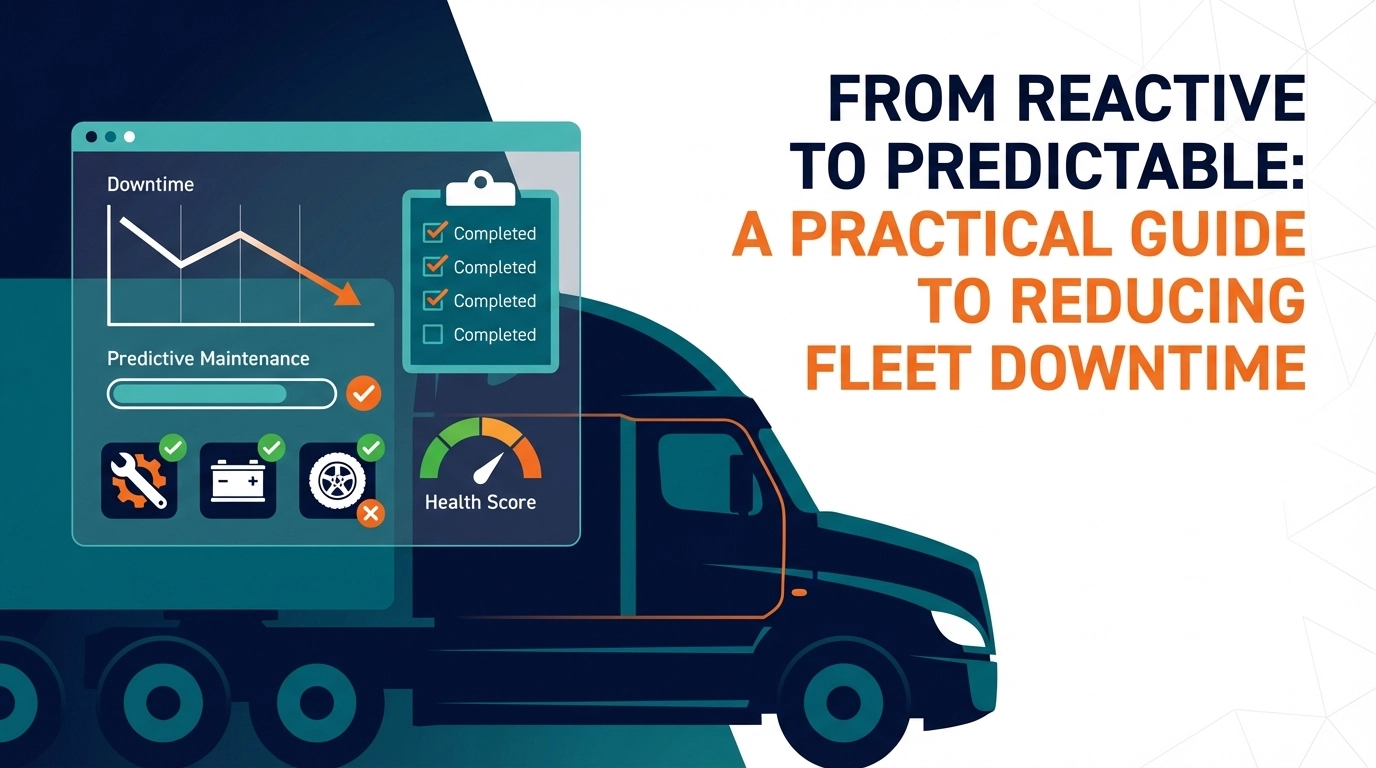
This guide breaks down a practical, low friction way to move from reactive firefighting to predictable maintenance. You do not need a complex data science project to start. You need consistent habits, clear thresholds, and one place to review what matters.
What reactive maintenance really costs
Reactive maintenance has a hidden tax. You feel it across the week.
- Higher downtime hours because breakdowns happen at the worst time
- Higher parts costs because you pay for urgency
- More repeat visits because root causes are not tracked and verified
- More safety risk because small faults get ignored until they become major
- More admin time because records are scattered and hard to audit
Even when the workshop is excellent, reactive work makes outcomes unpredictable.
Step 1: define the 5 signals that predict downtime
Predictability starts with choosing a short list of signals you will review every week.
1) Active faults and warning codes
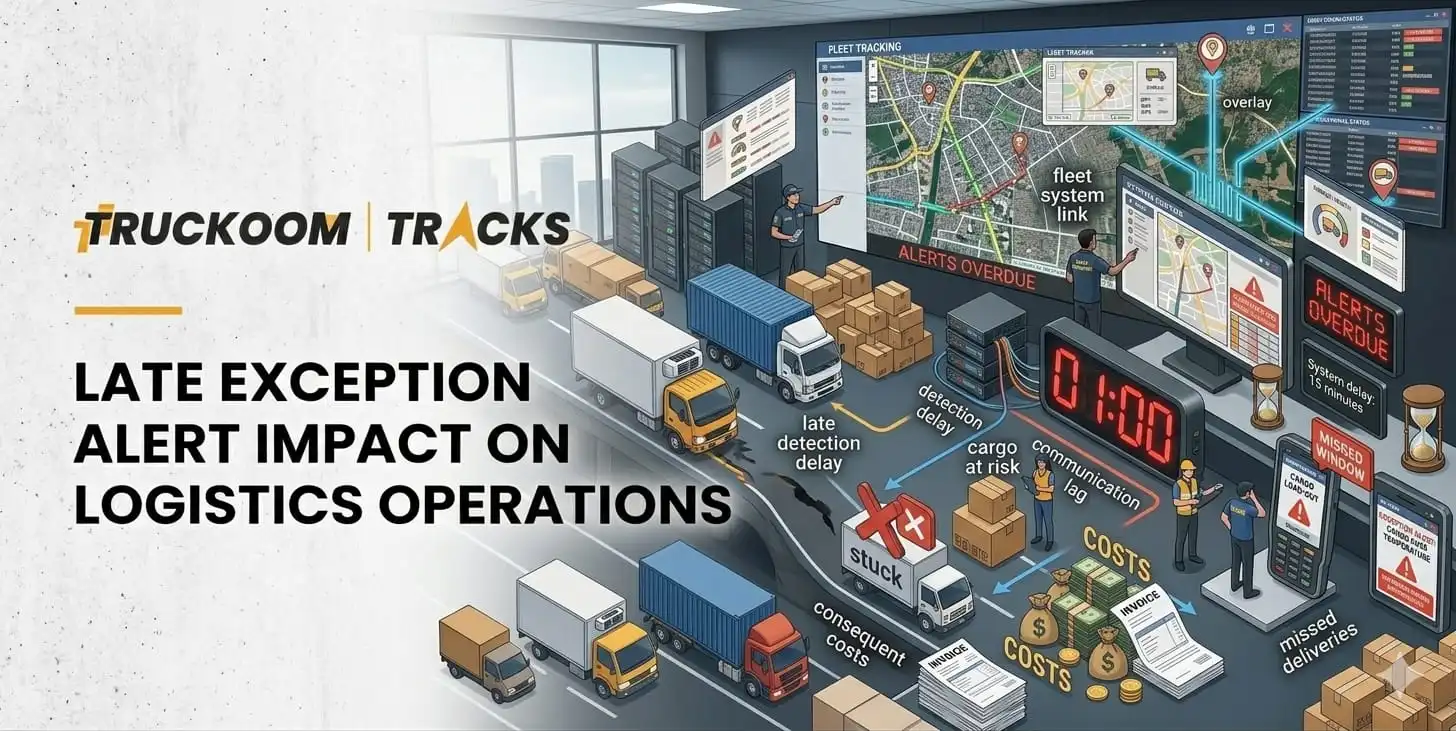
Do not wait for a breakdown. Track active faults by severity and age.
What to capture:
- Fault severity
- First seen date
- Vehicle availability impact
2) Preventive maintenance status
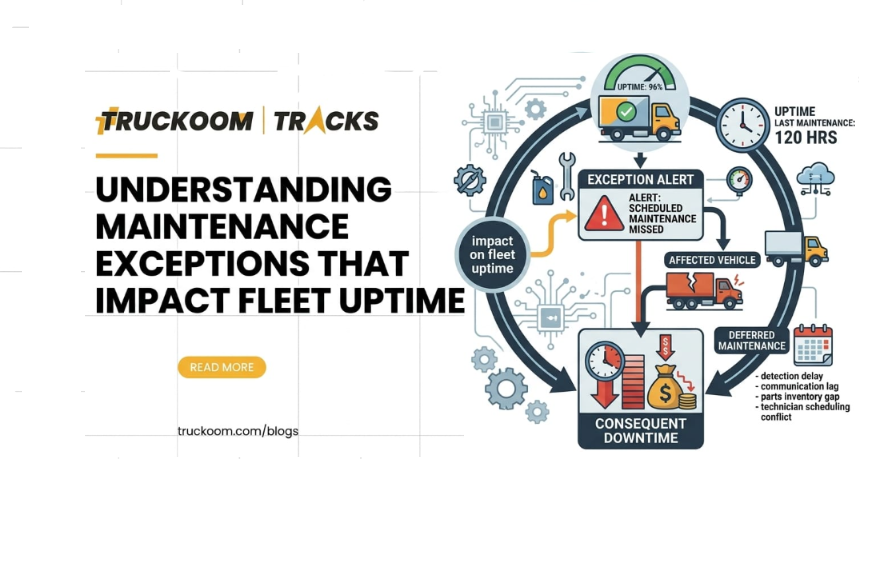
Overdue maintenance is one of the easiest risks to eliminate.
What to capture:
- Next service due date or mileage
- Days overdue
- Missed inspections
3) Repeat repairs
If the same issue appears twice in 30 to 60 days, treat it as a root cause investigation, not a routine ticket.
What to capture:
- Repair category
- Repeat count
- Parts replaced
4) Utilization stress
Highly utilized assets fail sooner, especially when routes are harsh.
What to capture:
- Daily utilization
- Heavy load routes
- Excessive idle time
5) Driver reported symptoms
Drivers notice problems before sensors do. The mistake is not collecting the feedback in a structured way.
What to capture:
- Symptom
- When it happens
- Whether it is getting worse
Step 2: build a simple maintenance priority score
You can prioritize work without a complex model.
Create a priority score using three factors.
- Safety impact: anything that affects braking, steering, tires, lights, or compliance is top priority.
- Downtime risk: issues that could take the vehicle off the road within 7 days.
- Operational impact: assets on critical routes or with tight delivery commitments.
A simple approach is to label each ticket as High, Medium, or Low and review them in a consistent order.
Step 3: set clear thresholds, not opinions
Most teams get stuck debating what is urgent. Thresholds reduce debate.
Examples of useful thresholds:
- Any critical fault that is older than 48 hours becomes a High priority ticket
- Any preventive service that is more than 7 days overdue triggers a scheduling block
- Any repeat repair within 45 days triggers a root cause review
- Any vehicle with downtime over 6 hours in a week is reviewed on Friday
These numbers can be adjusted. The key is to choose them and stick to them.
Step 4: run a weekly maintenance control meeting
A short weekly meeting creates momentum. Keep it to 30 minutes.
Agenda:
- Fleet health snapshot: which vehicles are at risk next week
- Overdue maintenance: what must be scheduled and by when
- Repeat issues: what needs root cause work
- Parts and workshop capacity: what will block completion
- Decisions and owners: one owner per action, one due date per action
The meeting only works if everyone sees the same data. If the team is working from different spreadsheets and messages, you will spend the time reconciling instead of deciding.
Step 5: centralize the record of truth
Predictable maintenance depends on traceability. You need to answer these questions quickly.
- What happened last time this issue occurred?
- Which vehicles are trending worse than the fleet average?
- Are we fixing symptoms or eliminating causes?
- What is the real downtime cost per vehicle?
Centralizing maintenance history, faults, utilization, and driver feedback makes those answers available without chasing people for screenshots or searching through chats.
Common mistakes to avoid
- Tracking too many metrics and reviewing none consistently
- Treating repeat repairs as new tickets instead of patterns
- Focusing only on cost per repair, not downtime hours
- Prioritizing by whoever shouts loudest, rather than thresholds
- Letting driver reports sit in unstructured messages
How Truckoom supports predictable fleet maintenance
Truckoom helps fleet teams bring operational and maintenance signals into one place so the team can spot risk early, assign ownership, and stay ahead of downtime.
If you share your current maintenance workflow, the systems you use today, and the top 3 issues that cause downtime, Truckoom can suggest a simple dashboard structure and weekly review flow that fits your fleet.